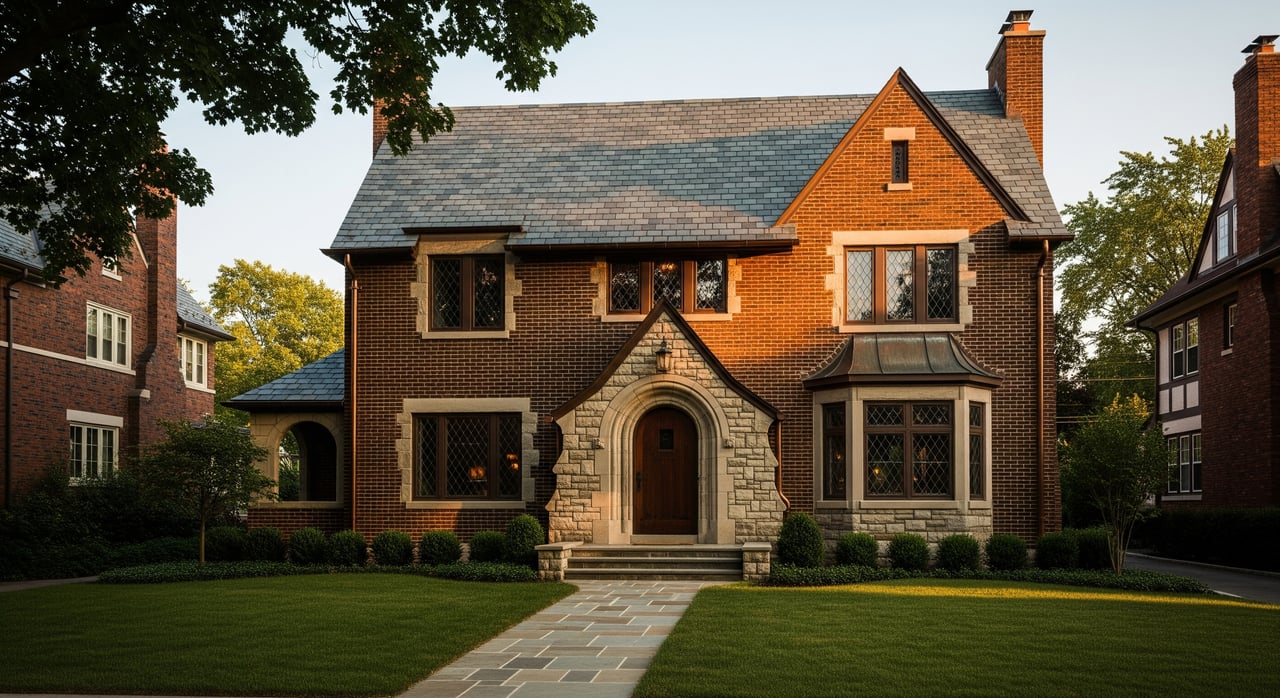
First‑Time Buyer Programs Near Shaker Heights
Buying your first home near Shaker Heights can feel out of reach, especially when the down payment and closing costs add up. If you are wondering how other first-time buyers make it work, you are not alone. The good news is there are real programs in Ohio and Cuyahoga County that can lower your upfront costs and help you compete with confidence. In this guide, you will learn what counts as a first-time buyer, which programs to explore, how to qualify, and how to structure a winning offer in our local market. Let’s dive in.
Many programs consider you a first-time buyer if you have not owned a primary residence in the past three years. If you owned a home longer ago or only owned property that was not your primary residence, you may still qualify. VA and USDA have their own eligibility standards, so you will want to confirm specifics with your lender when you apply.
The Ohio Housing Finance Agency (OHFA) provides a common pathway for first-time buyers in Cuyahoga County. Through participating lenders, you may access low fixed-rate mortgages and down payment or closing cost assistance. Assistance is often structured as a second loan that can be forgivable or deferred, depending on the specific program. Program names, income limits, and assistance amounts change over time, so plan to verify the latest details with OHFA or an OHFA-experienced lender before you shop.
Fannie Mae and Freddie Mac offer programs that allow as little as 3 percent down for qualifying buyers. These products can have reduced mortgage insurance costs compared to standard conventional loans when you meet income and underwriting criteria. Your lender can compare FHA versus conventional to show which option produces the best monthly payment and long-term cost for your scenario.
Cuyahoga County and local municipalities periodically offer down payment or closing cost assistance and neighborhood-based incentives. Availability can change based on funding cycles. Nonprofit organizations, including Neighborhood Housing Services of Greater Cleveland and HUD-approved housing counselors, often provide homebuyer education and may connect you with grants or local initiatives. Ask about current programs tied to specific neighborhoods or income bands.
Seller concessions and lender credits are practical tools when cash is tight. With seller concessions, the seller agrees to pay a portion of your closing costs or prepaids within program limits. Lender credits can offset closing costs in exchange for a slightly higher interest rate. These strategies can preserve your cash for the down payment while keeping your offer competitive.
Many assistance programs use household income limits and purchase price caps, often tied to area median income and household size. Limits vary by program and can change during the year. Ask your lender to confirm the specific threshold for your household and target neighborhoods around Shaker Heights.
Most programs require the home to be your primary residence. Eligible property types commonly include single-family homes, certain condominiums that meet project approvals, or 1–4 unit properties that you will occupy. Your lender will verify that the property meets program standards before you move forward.
State and many local programs require an approved homebuyer education course. This can be completed online or in person through HUD-approved counseling agencies. Plan to complete the course early so it does not delay your closing.
Assistance can reduce your upfront cash need, but it does not replace mortgage underwriting rules. You will still need to meet the credit score, debt-to-income ratio, and reserve requirements for FHA, VA, USDA, or conventional loans. Your lender will run the numbers and advise on any steps to improve your profile before you make offers.
Gather your paperwork early so you can move quickly when you find the right home. Expect to provide:
Before you write an offer, confirm how much the program allows in seller concessions and how assistance is structured. Some programs cap seller-paid costs. Others use a forgivable or deferred second mortgage that must be reflected in the closing package. Aligning those rules with your offer letter keeps your deal clean and reduces last-minute surprises.
A common approach is to offer the seller the full price and request a credit toward closing costs and prepaids. This can make your offer more appealing than a lower purchase price with no concessions because it preserves the seller’s net while helping you cover costs. After inspections, you can ask for repairs or a credit rather than a price reduction. Lenders and title companies typically want concession language in the contract, so document it clearly.
Assistance programs will not cover an appraisal shortfall if the home does not appraise at the contract price. Protect yourself with an appraisal contingency and be realistic about value. Many programs also require a reservation, approval, or certificate before closing. Build those steps into your financing contingency timeline and share the schedule with all parties early.
If your assistance covers the down payment but not closing costs, a lender credit can reduce what you bring to closing. Your lender can show you the tradeoff between a higher interest rate and the savings gained by covering fees now. Review the lifetime cost so you are picking the structure that fits your budget and time horizon.
Renting typically requires a security deposit and the first month’s rent. Buying requires a down payment, closing costs, and sometimes reserves. Assistance programs and seller or lender credits can narrow that gap. Have your lender prepare a simple cash-to-close estimate so you can compare renting and buying side by side.
Your housing cost is more than principal and interest. Include property taxes, homeowner’s insurance, mortgage insurance if applicable, HOA fees when relevant, and a basic maintenance budget. Ask your lender for an all-in monthly estimate and compare that to market rents for similar homes near Shaker Heights.
Buying tends to favor those who plan to stay put for several years, often three to seven or more, since closing costs are significant. If you expect to move sooner, renting might offer more flexibility. If you plan to stay, the ability to build equity over time and lock in a fixed payment can be compelling.
You have real pathways to homeownership near Shaker Heights, even if the down payment feels daunting today. By combining the right loan, assistance from OHFA or local partners, and a thoughtful offer strategy, you can reduce upfront costs and compete with confidence. If you want a local team to coordinate the moving parts and keep your timeline on track, connect with The Foundry Group. We bring neighborhood expertise and a process-driven approach that helps first-time buyers move from pre-approval to keys with clarity and calm.


With unparalleled expertise and a deep passion for the Northeast Ohio community, we offer expert guidance, unique solutions, and unmatched market knowledge. Let us help you make the right move in Northeast Ohio!