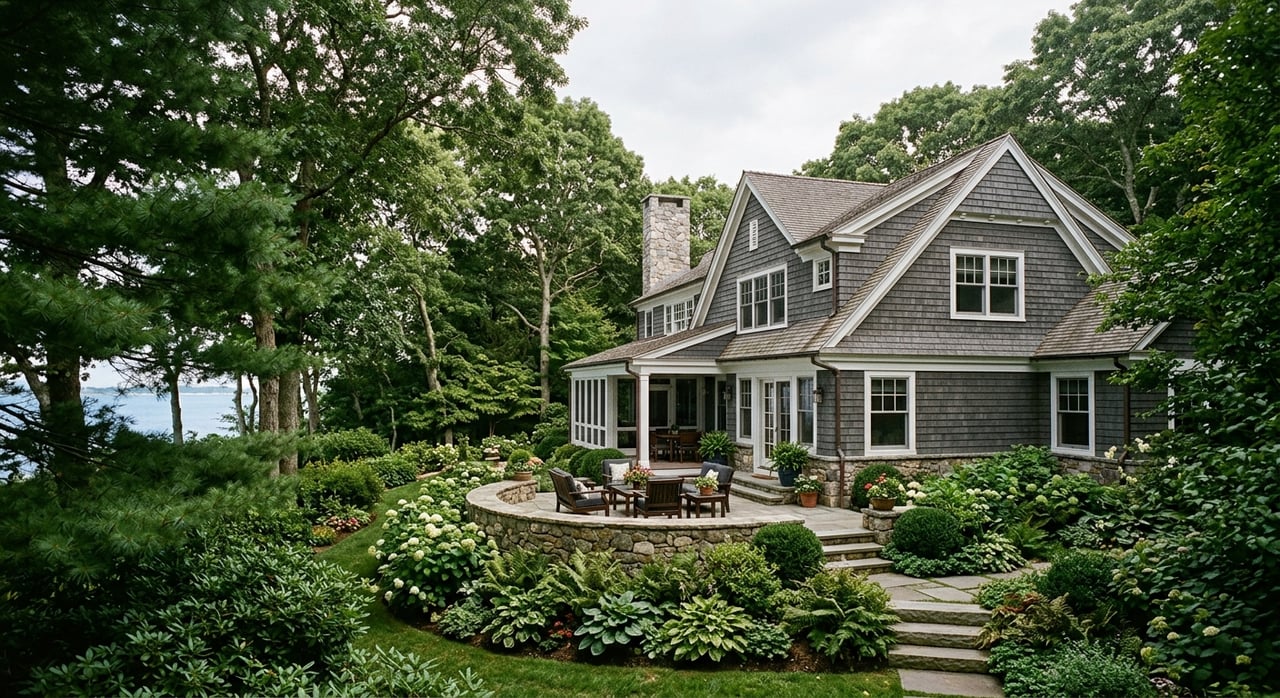
Lakefront Living In Rocky River: Daily Life And Tradeoffs
If the idea of ending your day with Lake Erie sunsets sounds hard to beat, Rocky River probably already has your attention. But lakefront living here is not just about the view. It comes with a specific rhythm, a different price profile, and a few practical tradeoffs you should understand before you buy. If you are weighing shoreline living against a more inland home, this guide will help you compare the lifestyle, costs, and due diligence that matter most. Let’s dive in.
Rocky River’s setting is a big part of its appeal. The city sits along Lake Erie to the north, with the Rocky River and Cleveland Metroparks shaping its eastern edge, which gives you access to both open-water scenery and riverfront recreation. It is also close to downtown Cleveland, roughly 20 minutes via I-90 and about 15 minutes from Hopkins, according to the City of Rocky River community profile.
For daily life, that means you can enjoy a lake-oriented setting without giving up convenient regional access. Depending on where you live, a morning walk, an evening overlook, or quick access to a park can become part of your regular routine. That blend of scenery and convenience is a big reason buyers stay interested in this part of the west side.
One of the most important realities of lakefront living in Rocky River is that being near the lake is not the same as having broad public lake access. In practice, access happens through a handful of well-known public spaces rather than along the full shoreline.
Bradstreet’s Landing is one of the clearest public-facing lakefront amenities in the city. The pier is open from dawn to dusk, and the city notes that people use it for fishing, birding, beach glass collecting, and sunset views. The same city page also references ongoing west shoreline revetment work, which is a useful reminder that access and shoreline protection often go hand in hand.
Rocky River Park is another major lakefront destination. The city lists observation decks, a picnic pavilion, and a beach, while also noting that swimming is not allowed. The park planning work is focused on restoring beach access, reducing wave energy, and improving accessibility, which shows how actively the city is managing this shoreline.
For boaters and paddlers, the Scenic Park Boat Launch in the nearby Rocky River Reservation adds another layer of access. Cleveland Metroparks notes that the river is calm there, but the river mouth can become turbulent and boat traffic can bottleneck. If you picture frequent launch-and-go boating, that kind of detail matters.
The lakefront lifestyle here also includes more than the shoreline itself. The Rocky River Reservation stretches from Berea almost to Lake Erie and includes a nature center, marina, stables, and three golf courses. For many buyers, that wider park system is part of the real value of living near the water.
A key point for buyers is that public lake access is limited across the county, not just in Rocky River. According to the Cuyahoga County Lakefront Public Access Plan, more than 90% of the county’s Lake Erie shoreline is not publicly accessible. That helps explain why parks, piers, and launch points carry so much weight in your day-to-day experience.
So if you are shopping for a home near Lake Road or another close-in block, it is worth asking a more precise question than “Is it by the water?” A better question is, “How do I actually use the waterfront from this address?” Walkability, parking, and connection to public access points can make a big difference.
Rocky River is already a relatively expensive west-side market, and the lakefront corridor can push pricing even higher. Redfin’s Rocky River housing market data reports a median sale price of $318,250 in February 2026, with homes selling in about 35 days.
But recent sales also show how much the shoreline submarket can diverge from that citywide figure. The same source shows a sale at 22700 Lake Rd for $1.3 million, with other near-lake or Lake Road homes selling for $735,000 and $610,000. By contrast, some inland or non-lake condos and townhomes sold around $142,000 to $152,000, while a Jameston Drive home sold for $340,000.
These are not direct apples-to-apples comparisons because the homes differ in size, condition, and property type. Still, the pattern is clear. Scarcity, views, and true proximity to the water can create a meaningful premium above the citywide median.
For some buyers, the lake is the whole point. For others, the better fit may be an inland location that still gives you Rocky River access and amenities without the same exposure to shoreline conditions. The city’s planning framework recognizes this distinction by treating the Bradstreet area as a specific lakefront focus while inland attention centers more on places like Downtown River, Center Ridge Road, and Hilliard Boulevard, according to the Rocky River master plan overview.
A simple way to think about it is this:
| Option | Potential upside | Potential tradeoff |
|---|---|---|
| Near-lake home | Views, quick access to shoreline parks, stronger sense of place | Higher prices, more weather exposure, more maintenance questions |
| Inland home | Broader housing options, often lower exposure to shoreline issues | Less immediate lake presence in daily life |
Neither choice is automatically better. It depends on how much value you place on view corridors, park access, and the identity of living near Lake Erie.
Lake-adjacent living in Northeast Ohio means you should pay close attention to weather exposure. National Weather Service Cleveland event summaries show that lake-effect systems in the region can bring 8 to 14 inches of snow, with stronger events producing 12 to 18 inches and isolated totals up to 2 feet. Those summaries also note blowing snow, drifting snow, and reduced visibility along the lakeshore during winter storms.
That does not mean every lake-adjacent home is a problem property. It does mean you should expect more environmental exposure than you might farther inland. Wind, moisture, drainage, and winter conditions can affect how a property lives over time.
The city’s own planning work reinforces that point. The Rocky River Park master plan identifies erosion and drainage concerns, including a deteriorating stormwater box culvert and proposed fixes like breakwaters, revetments, and toe stabilization. For buyers, that is a practical reminder that some shoreline-area homes may come with more recurring exterior and site maintenance pressure.
Waterfront areas also tend to attract ongoing public investment. That can be a positive, especially when it improves walkability, safety, and access. But it can also mean temporary disruption.
For example, the city reported utility and repaving work on Lake Road and Beachcliff, along with traffic calming, pedestrian crossings, and an auxiliary parking lot near Bradstreet’s Landing. Improvements like these can support long-term access and usability, but they are worth factoring into your expectations if you are buying close to major lakefront corridors.
If you are considering a home near Lake Erie, do not make assumptions based on the street name or neighborhood label alone. Flood risk and insurance needs can vary significantly from one parcel to the next.
FEMA explains that flood insurance is separate from homeowners insurance, and homes in high-risk flood areas with mortgages from government-backed lenders are required to carry it. FEMA also notes that the Flood Map Service Center is the official place to check a property’s flood-hazard status by address.
In practical terms, that means your due diligence should include:
With lakefront or lake-adjacent homes, the address matters more than the general area name. Two homes that seem similar on a map may have very different insurance, maintenance, or drainage profiles.
For the right buyer, yes. Rocky River offers a very specific lifestyle mix: Lake Erie views, public shoreline access points, strong park connectivity, and quick access to the city and airport. That combination can feel special, especially if you value scenery and outdoor access as part of daily life.
The tradeoff is that the lifestyle is more nuanced than the phrase “lakefront living” suggests. Public access is limited, premiums can be significant, winter exposure is real, and due diligence matters more near the shoreline. If you go in with clear expectations, you can make a smarter decision about whether the lakefront premium matches the way you actually want to live.
If you are comparing lake-adjacent homes with inland options in Rocky River, working with a team that understands both the lifestyle and the property-level details can make the process much clearer. The Foundry Group brings a tailored, highly responsive approach to Northeast Ohio real estate, helping you weigh not just what looks appealing online, but what makes sense for your goals day to day.

With unparalleled expertise and a deep passion for the Northeast Ohio community, we offer expert guidance, unique solutions, and unmatched market knowledge. Let us help you make the right move in Northeast Ohio!