Is Shaker Heights Right For Your Family?
Are you picturing tree-lined streets, classic homes, and an easy hop to Cleveland’s cultural core? Shaker Heights often lands on shortlists for exactly that mix. If you want strong academics, outdoor space, and a practical commute, this guide will help you weigh the fit for your family. You’ll get a clear view of housing, schools, parks, taxes, and daily life so you can decide with confidence. Let’s dive in.
Shaker Heights is a historic first-ring suburb just east of Cleveland, planned in the early 20th century and known for its architecture and mature canopy streets. You’ll find a community of about 28,700 residents with a median household income near $104,000, a median owner-occupied home value around $303,200, and an average commute of roughly 22 minutes, according to recent QuickFacts. For families balancing budget and access, those numbers set helpful expectations. If you value heritage and neighborhood character, the city’s planned design and civic history add to the appeal.
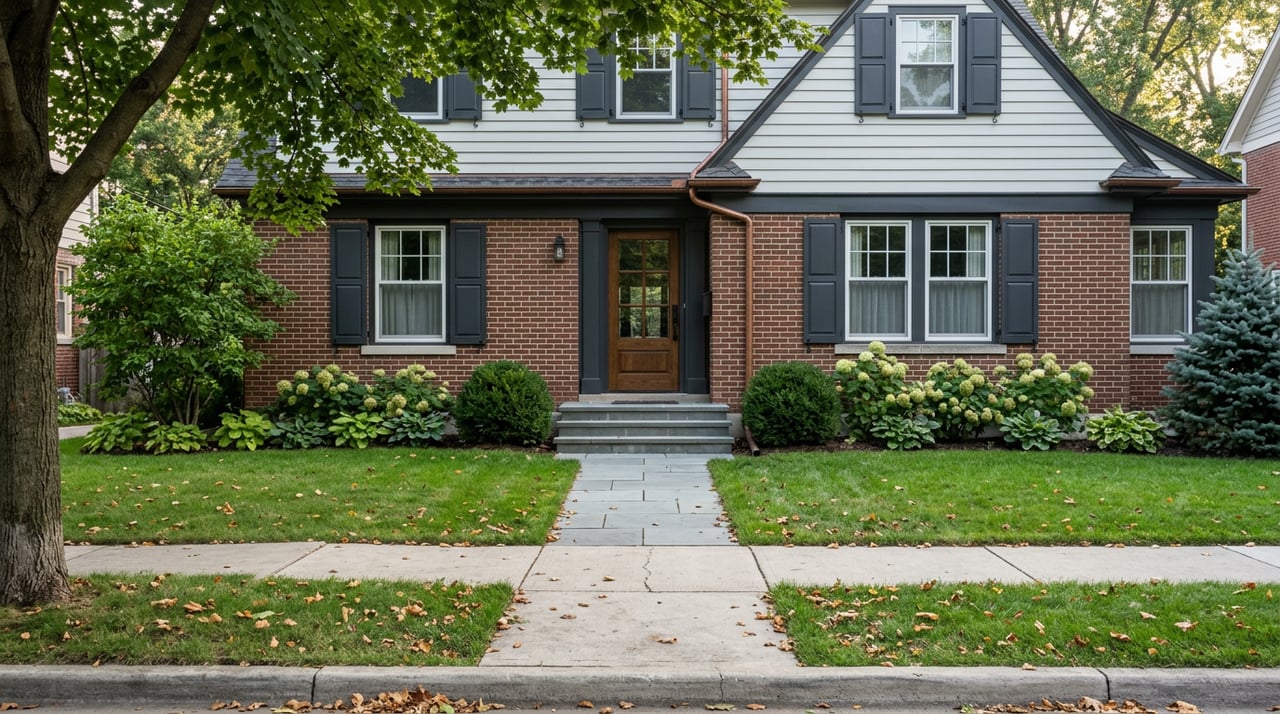
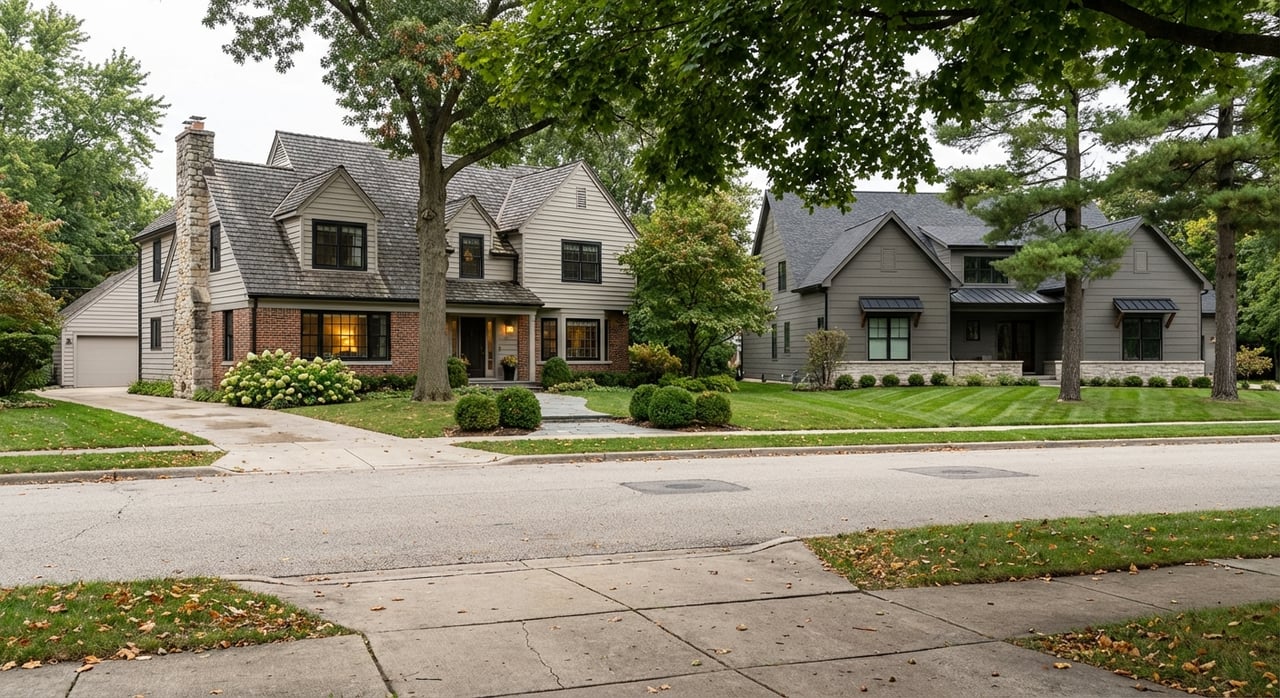
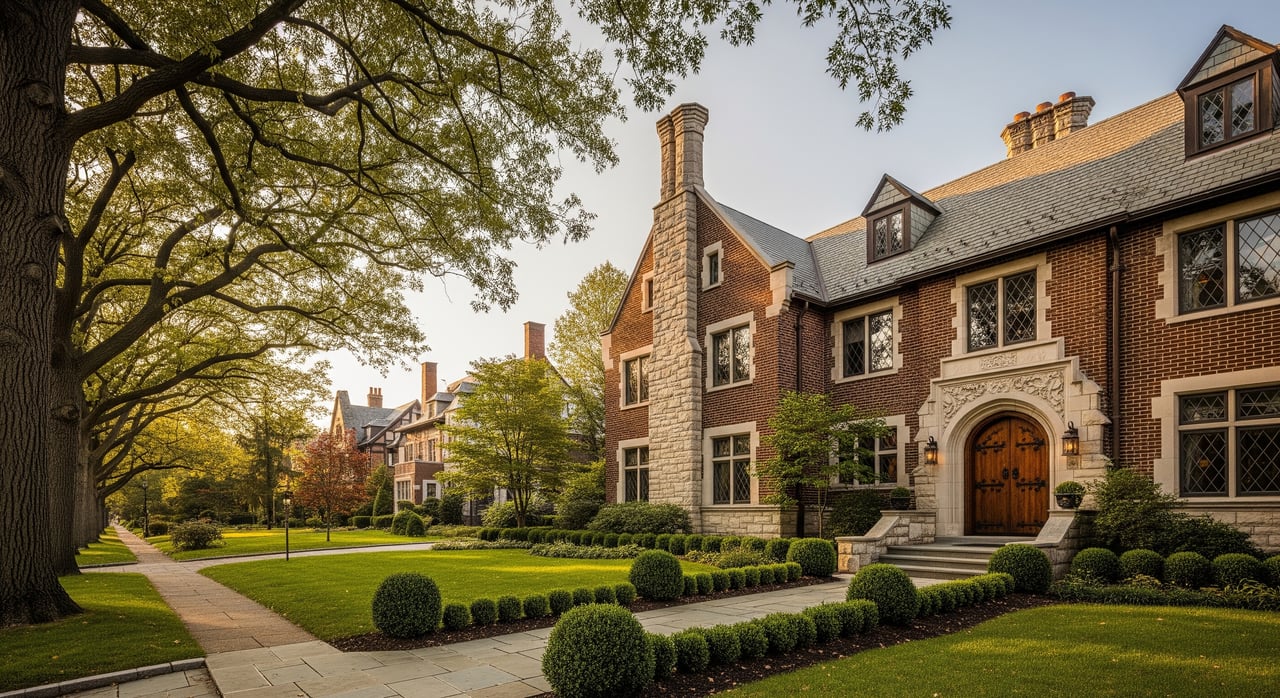
Most single-family homes here date to the early to mid 1900s, with styles that include Tudor, Colonial or Georgian Revival, and Craftsman. Many lots are larger than you’ll find in other inner-ring suburbs. Because of the city’s preservation ethos, exterior changes on designated properties are reviewed by the Landmark Commission, which helps protect architectural integrity over time.
Price points vary by street and neighborhood. As of early 2026 market snapshots, many family-ready 3-bedroom homes trade from the low to mid $200Ks up to the mid $300Ks. Renovated or larger move-up homes often range from about $350K to $700K, while luxury pockets in the Boulevard area and select streets can command significantly higher prices. Inventory can feel tight in the most sought-after pockets, so timing and readiness matter.
If you love a period home, plan for the routine realities that come with age:
Shaker Heights uses historic neighborhood names that can guide your search. Each area has its own feel, street patterns, and housing mix.
If walkability to dining and errands is a priority, the Warrensville and Van Aken corridor can be a good fit. For context on neighborhood names and layout, see the city overview.
The Shaker Heights City School District is a major draw. The district implements the International Baccalaureate framework across grade bands, and the high school offers IB Diploma courses. Families also point to robust arts and music programs, extracurriculars, and district-reported accountability metrics that include a 4-star overall rating on the Ohio State Report Card in recent years. Explore the IB approach and what it looks like across schools on the district’s IB page.
Independent school choices nearby include Hathaway Brown, Laurel School, and University School, which some relocating families consider based on program fit and commute preferences.
Tip: Always confirm the exact school boundary for a specific address with the district before you write an offer. Attendance areas and program placements can change over time.
One of Shaker’s signature family assets is the Shaker Lakes and Doan Brook parklands. Trails, boardwalks, marsh habitat, and wildlife areas put regular outdoor time within reach of many blocks. To understand how the city and partners steward these spaces, review the Parklands Management Plan.
For dining, errands, and weekend events, two nearby districts tend to anchor family routines:
Walkability varies across Shaker. Blocks near Shaker Boulevard, Coventry, and the Van Aken area tend to score higher, while some residential streets are more car dependent. See an example of a “Very Walkable” corridor near Shaker Boulevard and Coventry on Walk Score.
Transit is a real advantage. The Greater Cleveland RTA Blue and Green light rail lines run through Shaker with stations at Shaker Square and along Shaker and Van Aken Boulevards. RTA notes that from Shaker Square, the light rail reaches downtown in about 12 minutes, which is a meaningful benefit for commuters and museum-goers in University Circle. Check the RTA Shaker Square facility page for connections and service details.
Property taxes in Cuyahoga County combine levies for the city, schools, library, and county. After recent reappraisals, some owners saw higher-than-expected bills, and the county reported an uptick in delinquencies in 2025. Review current community tax rates in the county’s official schedule and run estimates by parcel when you have a target address. Start with the county’s tax rate summary and note recent headlines on delinquencies for context.
On safety, composite indicators place Shaker Heights safer than many U.S. communities. That said, you should always review block-level trends and speak with local resources to gauge your comfort on a specific street. Patterns can vary by micro area and time.
What families tend to love
Practical tradeoffs
Use this quick list to compare homes apples-to-apples:
If you value distinctive homes, strong public school programming, easy access to parks, and a practical rail-to-downtown commute, Shaker Heights is likely a strong match. If you prefer newer construction with lower maintenance or you want ultra-low property taxes, you may want to compare nearby suburbs as well. The best next step is to pair your must-haves with a short list of neighborhoods and preview homes to confirm the day-to-day feel.
Ready to tour, compare schools, or map commute times? Our team combines neighborhood-level insight with a calm, organized process. Work with The Foundry Group to find a home that fits both your lifestyle and your budget.


With unparalleled expertise and a deep passion for the Northeast Ohio community, we offer expert guidance, unique solutions, and unmatched market knowledge. Let us help you make the right move in Northeast Ohio!