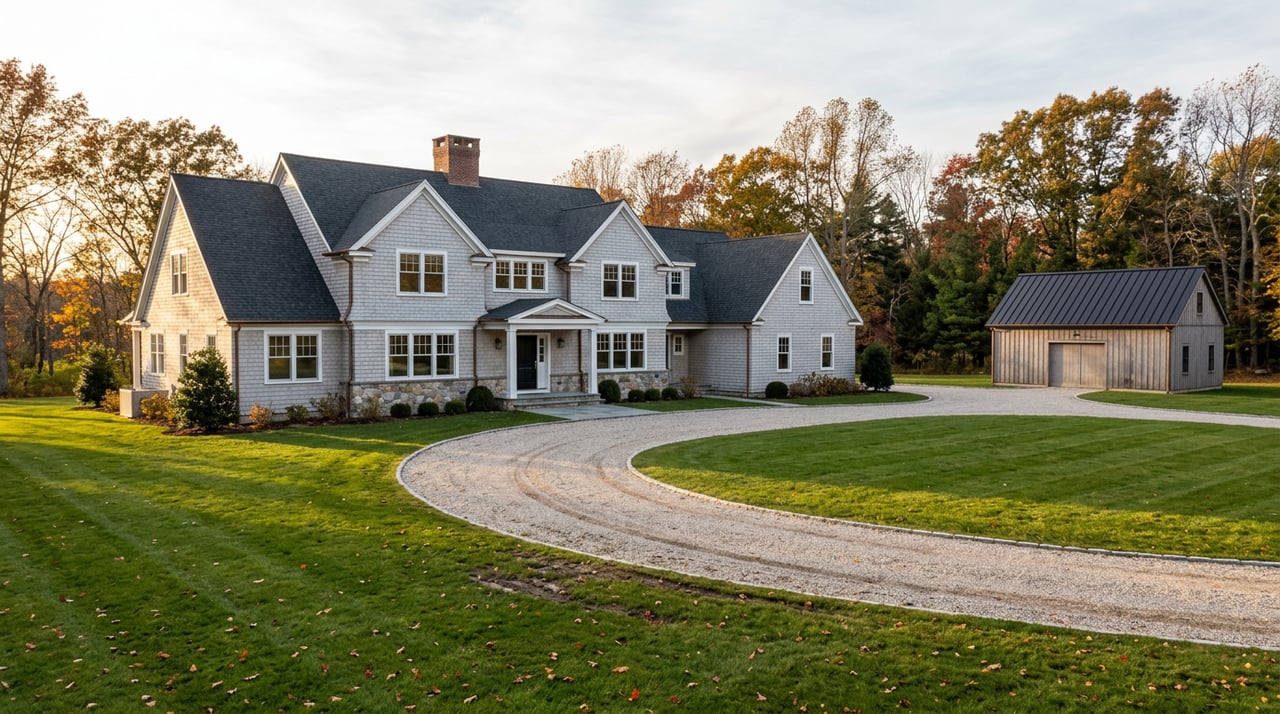
How Acreage Impacts Home Value In Bath Township
If you are shopping or selling in Bath Township, you have likely noticed that an extra acre can change both your lifestyle and your bottom line. Privacy, room for outbuildings, and proximity to preserved open space all carry weight here. The catch is that more land does not always mean a higher price per acre. In this guide, you will learn how acreage actually influences value in Bath, what local zoning means for splits and future plans, and which land features buyers pay for. Let’s dive in.
Bath sits west of Akron and reads as a semi‑rural suburb with preserved open space and easy access to regional parks. That setting attracts buyers who want larger lots, woods, and estate‑style living while keeping a suburban commute. Neighborhood aggregators list Bath as a higher‑priced, low‑density pocket of Summit County; a recent Niche snapshot for Bath Township places median values around the mid‑$400s and above nearby denser suburbs.
Buyer demand here often centers on privacy, usable yard space, and the option to add improvements like barns or workshops. At the same time, acreage sellers face a more specialized buyer pool. Clear marketing around “usable acres,” utilities, and permitted uses can make a noticeable difference in how fast a property moves.
Appraisers do not treat acres as a simple times-table. Guidance in the industry shows that unit value often decreases as parcel size increases. In plain terms, buyers pay the most for the most usable portion of a lot, and each additional acre after that often contributes less to price than the first. Appraisers separate the value of the house, the optimal supporting land area, and any excess or surplus land, as outlined in standard appraisal textbook guidance.
Two five‑acre properties can price very differently. Buyers in Bath will focus on the proportion of buildable, accessible, well‑drained land. Steep slopes, wetlands, or floodplain can limit building envelopes and reduce a parcel’s effective utility. That is why listings that show surveys and parcel maps, and call out clearing areas or view corridors, tend to perform better with acreage‑focused buyers.
If you assemble adjacent parcels, the combined site can be worth more than the sum of its parts because of layout or a new build site. That is called plottage. On the other hand, land that exceeds what the home needs for its highest and best use may not add dollar‑for‑dollar value. Appraisers treat that excess land separately during valuation and comp selection.
Before you buy or price acreage, confirm the zoning district, minimum lot sizes, and permitted uses. The Bath Township Planning & Zoning Department is the first stop for questions on setbacks, variances, conditional uses, and lot splits.
Local legal precedent highlights how minimum lot sizes shape what is possible. In a Ninth District Court of Appeals matter tied to Bath, the R‑2 residential district standard in that context effectively required about 2.5 acres per lot, which preserved large lots and limited subdivisions. You can review that example in the Ninth District Court of Appeals case summary. The takeaway for you is simple. If you are buying for future split potential, or selling with an eye to divide, verify the district rules and process with the township before you rely on that plan.
Utility access affects both price and the buyer pool. Parcels connected to public water or sewer, or within a served district, are often more attractive to buyers who plan to build or expand. Properties that rely on well and septic can still be excellent options, but you should budget for engineering, inspections, and potential replacement if systems are older.
Stormwater rules and special districts can add permitting steps and ongoing assessments for certain areas. Bath participates in county programs, and the Summit County Surface Water Management District outlines responsibilities and project areas. These costs can affect carrying costs and timelines, so review them during due diligence.
Soil type determines septic design and cost. Shallow bedrock, high water tables, or poor percolation can require advanced systems, which can reduce buyer demand or change your budget. Use the NRCS Web Soil Survey as a first pass and pair it with on‑site testing.
Wetlands and FEMA‑mapped floodplains can limit building locations and trigger extra permits, which usually reduce value or shift where you can place improvements. Always confirm a property’s status with the FEMA Flood Map Service Center and check any Letters of Map Change.
Mature trees and wooded setbacks are a frequent selling point in Bath. They add privacy, wildlife value, and a sense of seclusion, which many buyers prize. At the same time, heavy tree cover can limit immediate building area or require clearing. Price with both benefits and limits in mind, and highlight usable clearings in your marketing.
Fenced pasture, paddocks, water access, and a well‑built barn can add meaningful value for equestrian and hobby‑farm buyers. The premium depends on demand, condition, and whether the use is permitted by zoning. If horse use is part of your plan, confirm allowances with the Planning & Zoning Department and emphasize those features in photos and copy.
Permitted outbuildings that serve daily life, such as workshops, garages with conditioned space, or quality barns, often add value for the right segment. Appraisers measure their contributory value, not just replacement cost, so condition and utility matter. Unpermitted structures can lower value or stall a closing, so verify permits before listing.
Road frontage, driveway length, and who maintains a private drive influence value and carrying costs. Long private drives add privacy but require snow and surface maintenance. Confirm any shared road agreements and disclose responsibilities clearly to minimize surprises for buyers.
Recent acreage sales across Montrose‑Ghent and Bath show wide dispersion that tracks with lot size, utility, house quality, and improvements. Publicly available examples include 2 to 6‑plus acre properties trading from the mid‑to‑high‑$400s into the $900k range and beyond. You can browse a sampling of recent sold listings in Montrose‑Ghent and Bath for context. The key lesson is that comp selection and a careful read of land features drive pricing more than raw acreage alone.
Neighborhood aggregators give a helpful snapshot. At the time of research, Bath’s median home value sits around 470k, higher than several denser nearby suburbs. Examples put Copley Township near 332k and Fairlawn around 285k. These differences reflect Bath’s lower density and larger average lot sizes, along with access to open space and regional amenities. For your property, always rely on a fresh local comp set rather than broad medians, since land utility can swing value.
Acreage requires a different playbook than a typical subdivision home. You need precise comping, clear due diligence, and marketing that shows setting, approach, and usable land. Our team pairs local guidance with premium production to surface what matters most to acreage buyers: aerials that map house‑to‑land relationships, clean site plans, and copy that explains potential without over‑promising. If you are weighing a purchase or preparing to sell, connect with The Foundry Group for a tailored strategy and a streamlined process.
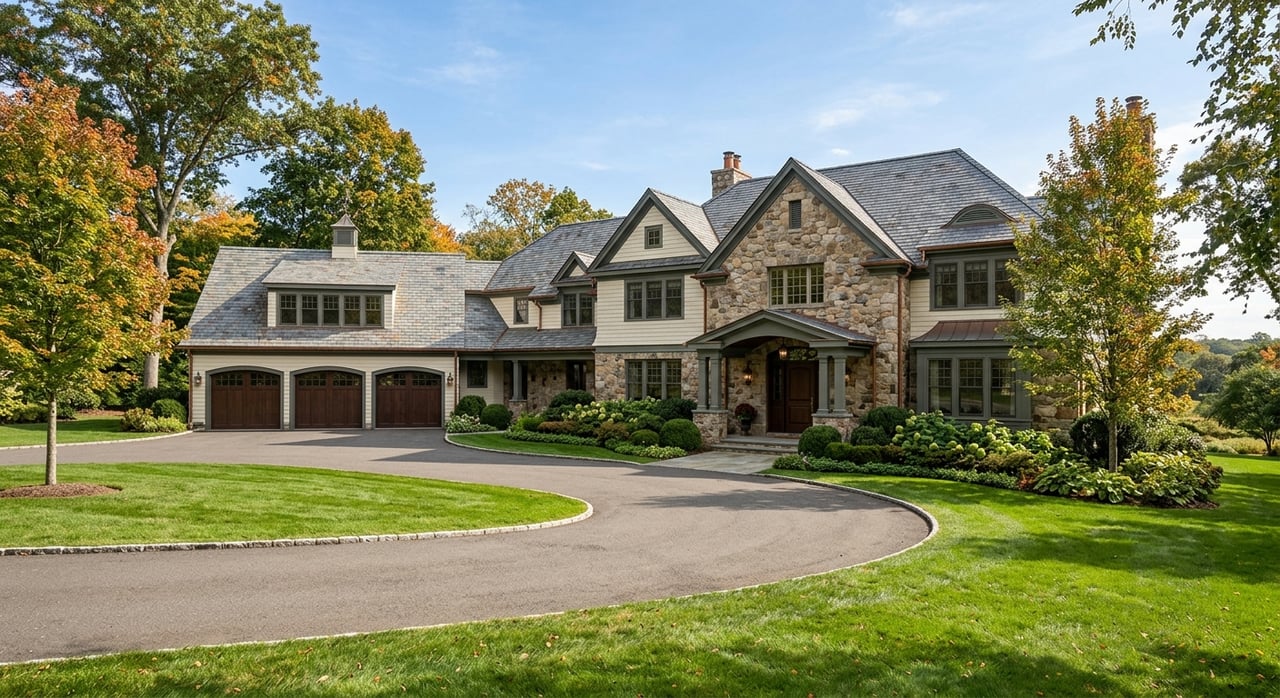
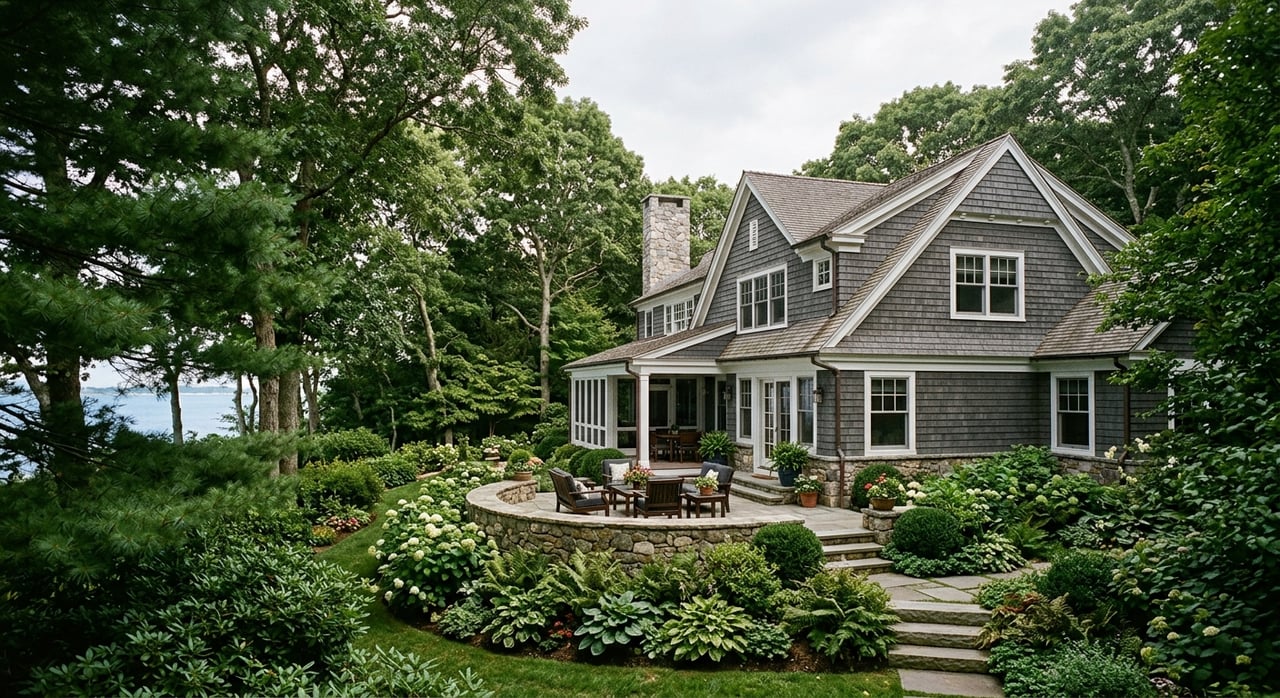

With unparalleled expertise and a deep passion for the Northeast Ohio community, we offer expert guidance, unique solutions, and unmatched market knowledge. Let us help you make the right move in Northeast Ohio!