Thinking about listing your Bath Township home this winter? You are not alone. Many sellers wonder if they should brave the snow and shorter days or wait for spring. You deserve a clear, local decision guide. In this article, you will learn how buyer demand shifts in winter, the practical pros and cons, how to prepare for cold-weather showings, and a simple framework to decide if listing now or waiting makes more sense for you. Let’s dive in.
Bath Township winter market basics
What changes in winter
Buyer activity in Northeast Ohio typically slows from November through February. Search activity, showings, and closings are strongest in spring and lighter in late fall and winter. That means fewer casual browsers and more focused buyers in the off-season.
At the same time, fewer new listings hit the market in winter. With less competition, your home can stand out if it is well prepared and priced for current demand.
Who buys in winter
Winter buyers are often more motivated. Many are relocating for work, facing lease deadlines, moving through major life changes, or were outbid in peak season. They tend to be decisive, timeline-driven, and serious about making a purchase.
Mortgage rates also influence winter activity. If rates dip, demand can pick up even in the off-season. If rates rise, the buyer pool can narrow.
What to check locally before you decide
You will want local data before making the call. Ask your agent to pull month-by-month metrics for Bath Township and Summit County from the MLS for the last 12 to 24 months, including:
- Median sale price by month
- Active inventory and months of supply
- Average days on market for winter vs spring
- Sale-to-list price ratios by season
- Showings per listing during winter months
This local picture helps set your pricing and timing expectations.
Pros of a winter listing
- Less competition. With fewer listings, your home can get more attention if it shows well and is priced correctly.
- More serious buyers. Winter shoppers are often on a deadline and ready to write strong offers.
- Potentially faster timelines. Motivated buyers sometimes push for quicker inspections and closings.
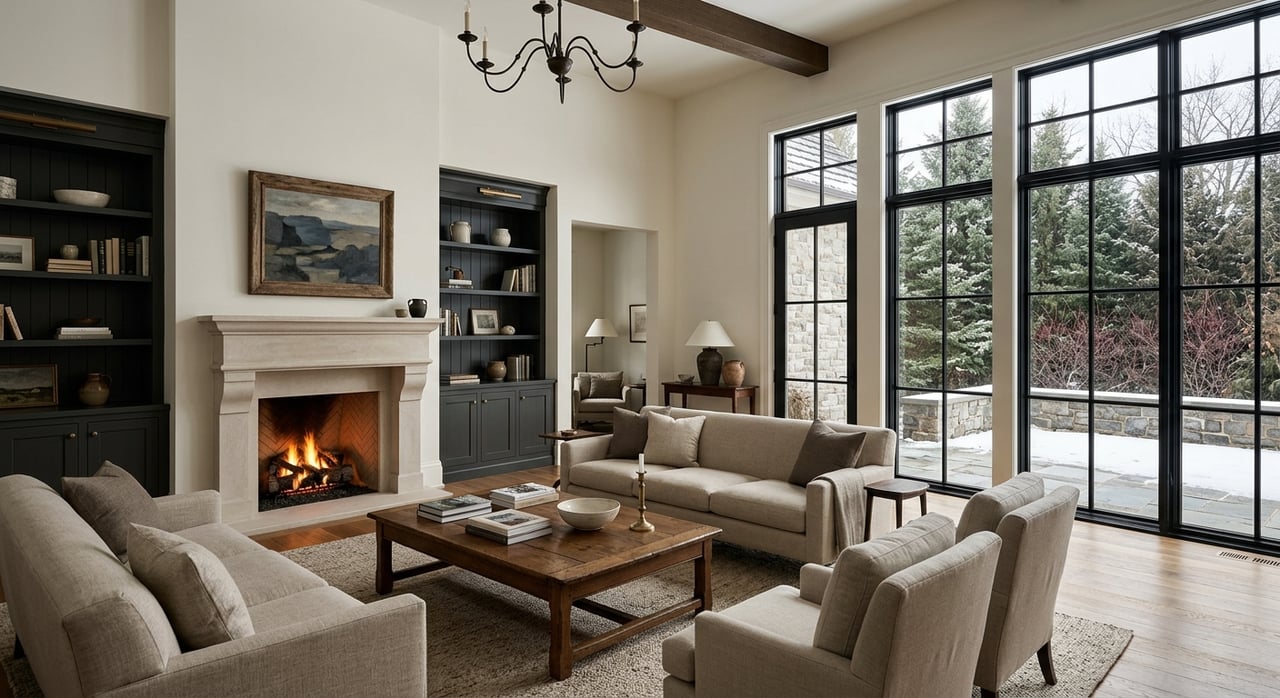
- Chance to showcase winter strengths. Features like new HVAC, efficient insulation, a gas or wood-burning fireplace, heated floors, finished basements, mudrooms, and attached garages shine in cold weather.
Cons to consider
- Smaller buyer pool. Fewer showings can mean fewer offers and less room to push price.
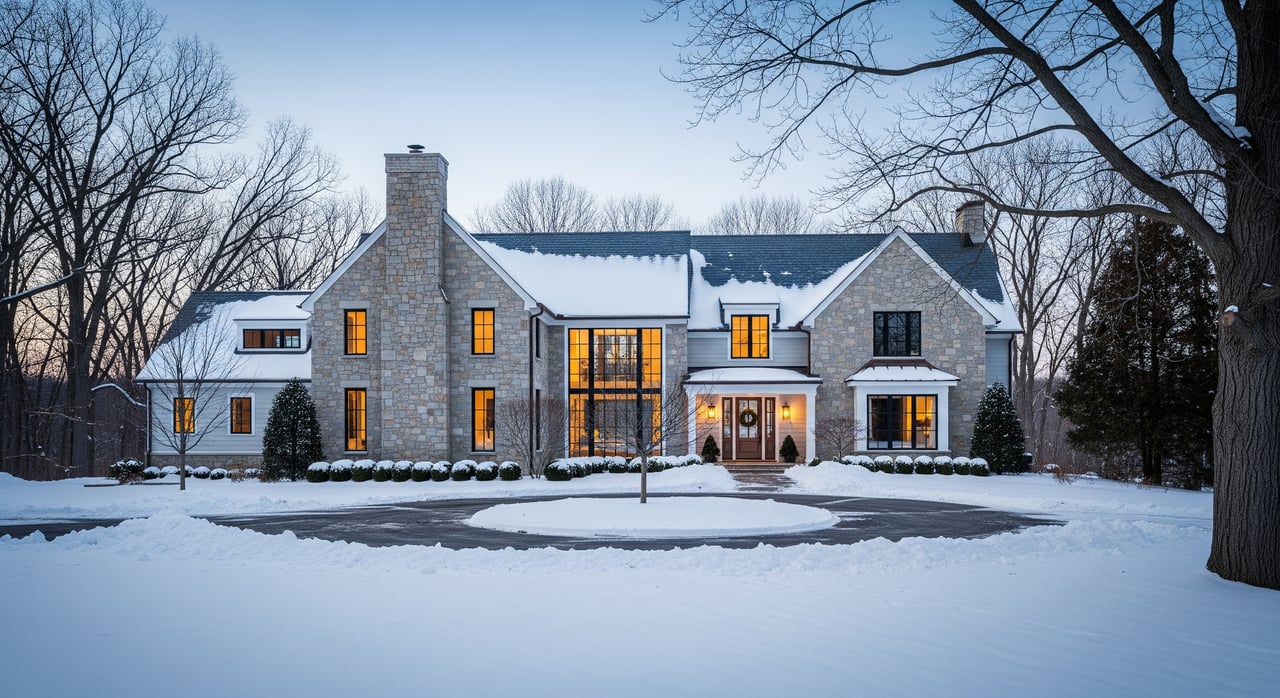
- Tougher curb appeal. Snow and ice can hide landscaping and make exteriors feel flat in photos.
- Showing logistics. Short daylight hours, holiday travel, and snow removal make scheduling more challenging.
- Seasonal pricing risk. Spring often brings stronger demand and higher median prices. Winter listings can underperform if priced as if it were peak season.
Prep your home for winter showings
Curb appeal and access
- Set up reliable snow and ice removal for the driveway, walkway, and steps. Safety comes first.
- Clear sightlines around the entry, mailbox, porch, and garage. Keep pathways wide and clean.
- Upgrade exterior lighting with bright bulbs and working timers or motion lights to offset shorter days.
Comfort and staging
- Keep the home warm during showings, typically 68 to 72°F. Cold rooms suggest poor insulation.
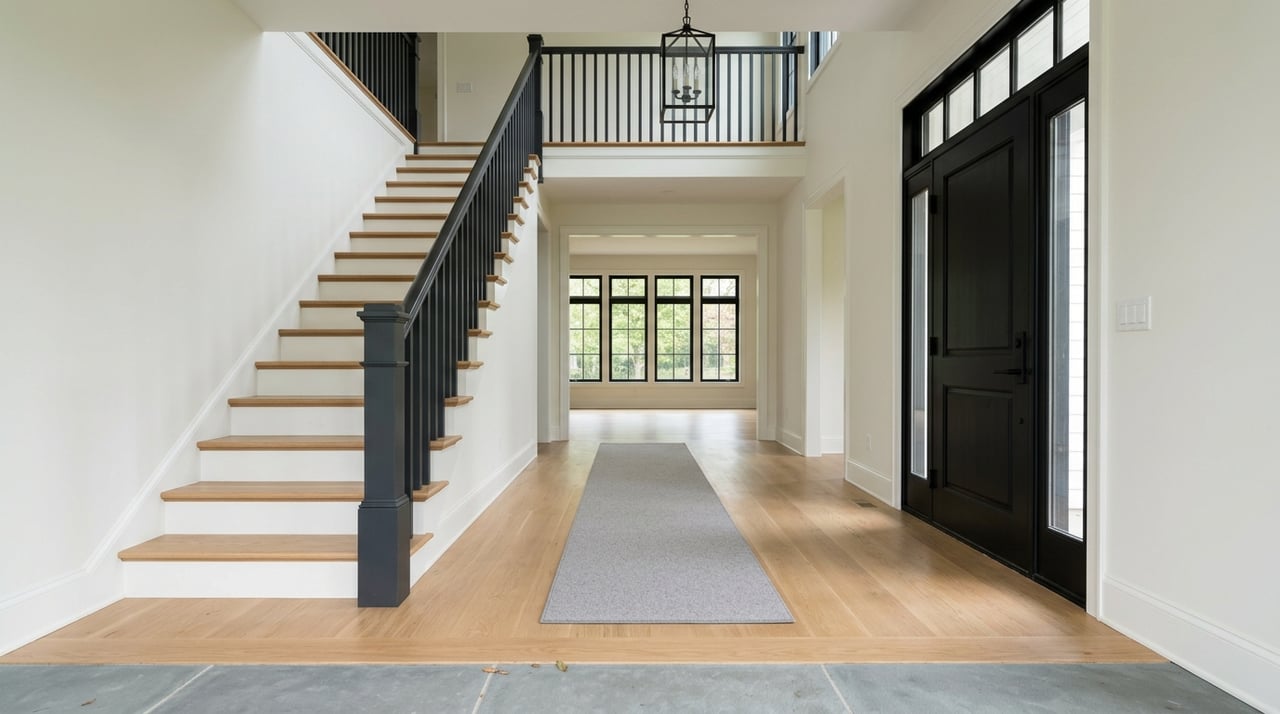
- Stage the entry with a boot tray, durable mat, bench, and hooks. Keep it spotless.
- Use bright, warm lighting and open curtains to maximize natural light.
- Highlight cozy features without heavy seasonal decor. Declutter bulky coats to show storage.
Marketing and photos
- Schedule exterior photos on a clear, bright day. If snow is present, make sure it is clean and paths are fully cleared.
- Lead with strong interior photography, floor plans, and video or 3D tours when exteriors are less compelling.
- Call out winter benefits in your listing copy, such as energy upgrades, recent furnace service, insulation, attached garage, and mudroom.
Pricing and negotiation
- Price for winter demand using recent local winter comps and showing data, not peak spring expectations.
- Consider incentives, such as flexible closing dates, rent-backs, or including appliances to sweeten the deal.
- Expect fewer offers but more serious buyers. Negotiate contingencies and timelines with care.
Inspections and documents
- Complete a pre-listing HVAC tune-up. Share service receipts and recent utility bills.
- Check roof, gutters, and basement. Address or disclose ice dams, leaks, frozen pipe risk, or moisture.
Timing trade-offs and decision guide
If you are moving up
Buying and selling at the same time can be trickier in winter because there may be fewer homes to purchase. The flip side is that low seller competition can help you sell your current home quickly. Consider contingency clauses, extended closings, rent-backs, temporary housing, and bridge-friendly financing to keep your timeline smooth.
If you are downsizing
You may value simplicity and timing more than top-dollar pricing. Winter can work well if you want a more private, decisive process. If you plan to complete a few high-impact updates, using winter to prepare and listing in early spring can be smart.
Quick decision flow
- If you must sell within 2 to 3 months, list now with a winter-specific plan.
- If you are flexible and your agent’s data shows winter price drag, use winter to upgrade and list in March or April.
- If your home’s winter strengths are strong, consider listing now to meet motivated buyers with less competition.
Timeline options
- Listing in winter: 2 to 6 weeks of prep for cleaning, staging, HVAC service, and pro media. With accurate pricing, time to contract can match or be slightly shorter than average off-season days on market.
- Waiting for spring: 2 to 4 months for repairs, decluttering, and staging. Plan for a March to April launch to capture increased traffic.
What to do next in Bath Township
Quick winter listing checklist
- Contract snow and ice removal for predictable showings
- Service HVAC and gather energy bills and upgrade receipts
- Stage the entry and mudroom with mats, trays, and hooks
- Book interior and exterior photos on a clear day and add a virtual tour
- Price to winter demand using local comps and discuss expected offer volume
- Build a holiday-aware showing plan with flexible windows
If you plan to wait for spring
- Tackle high-ROI items: HVAC tune, roof and gutters, kitchen or bath touch-ups, paint, decluttering, basement waterproofing if needed
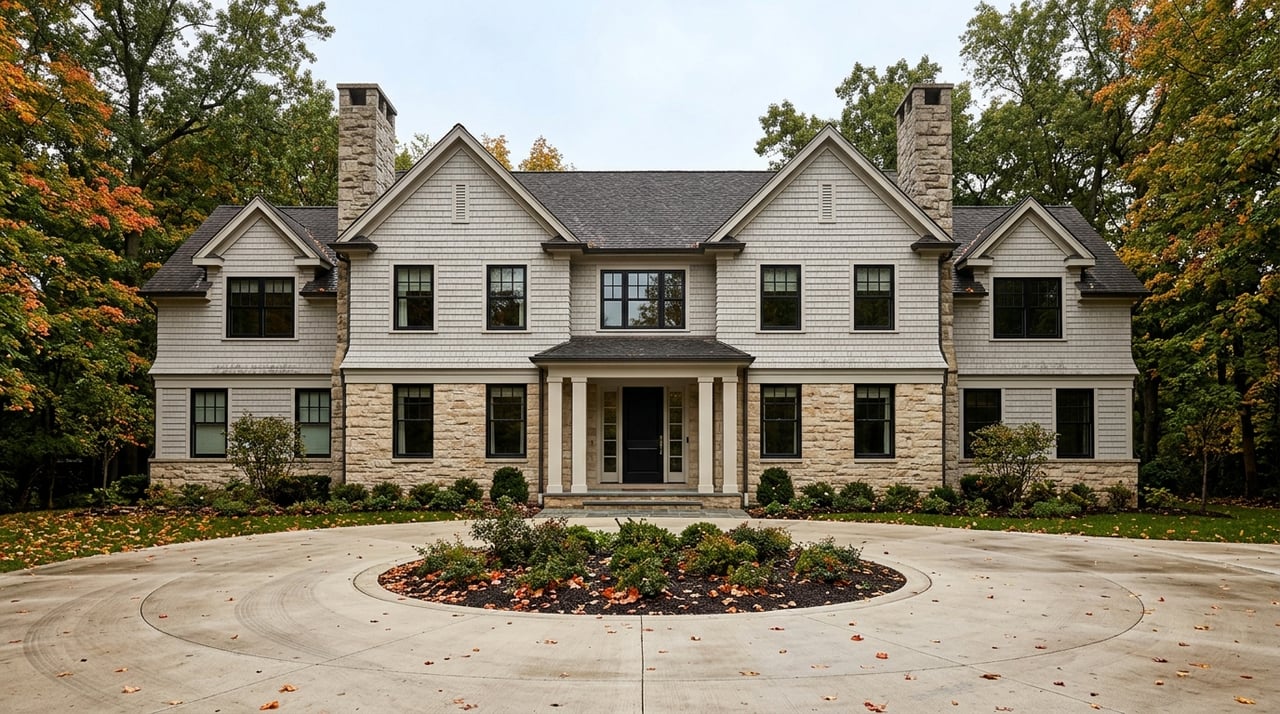
- Capture preliminary interior photos now and retake exteriors in spring
- Consider a pre-listing inspection to avoid surprises in peak season
Key metrics to request from your agent
- Median sale price by month in Bath Township over the last 12 to 24 months
- Active inventory and months of supply by month
- Average days on market and sale-to-list ratio for winter vs spring
- Showings per listing in winter months
- Recent winter price adjustments, withdrawals, and off-market outcomes
Bringing it all together
Listing in winter in Bath Township can be a smart move if you prioritize a reliable sale, have features that shine in cold weather, or want to avoid spring competition. If your top goal is to push price in a broad buyer pool, early spring may be worth the wait. The best decision pairs your timeline with local data and a thoughtful winter plan.
If you want a tailored recommendation for your property, we can help you weigh timing, prep, pricing, and media strategy. Our team pairs neighborhood-level guidance with premium production that includes professional photography, listing microsites, 360 virtual tours, and organized, responsive execution. When you are ready, connect with The Foundry Group to map the right path.
FAQs
Is winter a bad time to sell a home in Bath Township?
- No; winter has fewer buyers but also fewer listings, and motivated buyers can lead to solid results if pricing and presentation fit the season.
Will I get a lower price if I list in winter in Summit County?
- Spring often brings higher overall demand, but strong winter prep, accurate pricing, and low competition can still produce a great outcome.
How do I prepare my home for winter showings in Northeast Ohio?
- Focus on safe access, bright lighting, warm interior temperatures, clean entry staging, and high-quality interior photos and tours.
What is the biggest challenge with winter listings in Bath Township?
- Managing curb appeal and logistics around snow, ice, and short daylight hours while maintaining easy, safe showings.
How should I price a Bath Township home during winter?
- Use recent winter comps and local MLS metrics, avoid spring-level price assumptions, and consider incentives to attract decisive buyers.
What if I need to buy and sell at the same time in winter?
- Coordinate timing tools like contingencies, extended closings, rent-backs, or temporary housing to keep both transactions aligned.