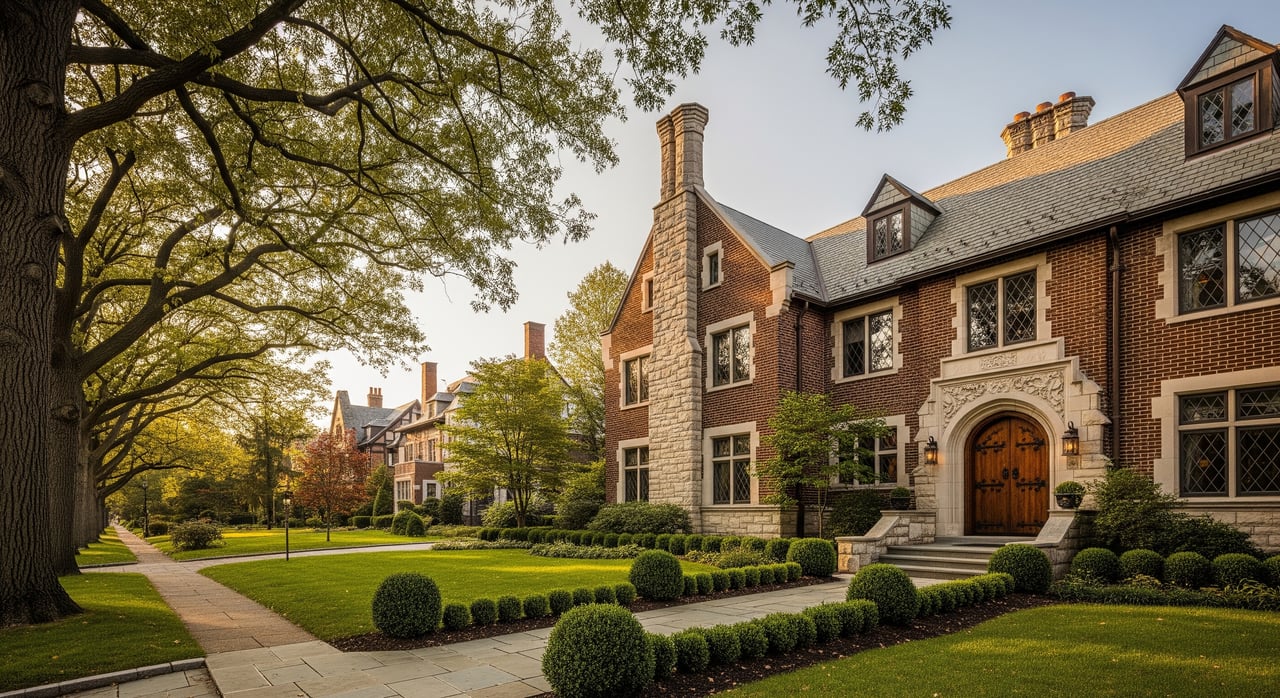
Buying In Shaker Heights Historic Districts: Key Considerations
Love the character of Shaker Heights and its storybook streets? If you are eyeing a home inside a historic district, you are buying into a place with distinctive architecture and clear expectations for care. With the right plan, you can protect that charm and make smart improvements that fit your lifestyle. Here is how the rules, reviews, and renovations actually work so you can move forward with confidence. Let’s dive in.
Shaker Heights uses local historic districts and individual landmarks to protect neighborhood character. Local designation has the most direct impact on what you can change on the exterior. Some areas also appear on the National Register of Historic Places, which is honorific but can matter for certain incentives.
Many streets were built as planned neighborhoods with consistent styles like Tudor Revival, Colonial Revival, and Craftsman. That cohesive look guides the city’s design expectations. Local review often follows the Secretary of the Interior’s Standards as a common benchmark for appropriate changes.
Before you write an offer, confirm whether the property sits in a local historic district. City planning and Landmarks Commission staff can verify local status, prior approvals, and any overlay rules. You can also check federal and state listings through recognized databases to see if the property appears on the National Register.
Ask the seller for records of past exterior work and permits. Request copies of any Certificates of Appropriateness so you know what was approved and when.
Historic review usually applies to work visible from the street or public way. Expect to seek approval for:
Routine maintenance and interior-only work may be exempt, but confirm specifics with city staff before you begin.
You or your contractor submit an application for a Certificate of Appropriateness with plans, elevations, and material details. Minor projects can be approved administratively. Larger changes usually go to the Landmarks Commission at a public meeting where neighbors may comment.
Administrative approvals may take a few weeks. Full Commission reviews commonly take 4 to 8 weeks or more based on meeting calendars and project complexity. Approvals often include conditions, such as specific materials or detailing.
Doing exterior work without approval can trigger stop-work orders, fines, or requirements to restore the original condition. Always keep written records of approvals and ensure contractors follow the scope that was approved.
The city prioritizes retaining and repairing original features. In-kind replacement is preferred, and when replacements are allowed, they must match the original appearance. Reversibility is a guiding principle so that changes can be undone without harming historic fabric.
Historic review and building permits are separate. You may need both before starting work. Significant renovations can trigger code upgrades for items like egress, electrical, or fire separation, which can add cost.
Hire contractors with historic experience, such as masonry repointing with appropriate mortar, window repair, and period-appropriate roofing. Inexperienced work can damage historic materials and risk denial at review.
If the home needs work, explore renovation loans that combine purchase and rehab. Options often used with older homes include FHA 203(k) for owner-occupants, Fannie Mae HomeStyle Renovation mortgages, and VA renovation loans for eligible buyers. Lenders will expect clear scope, cost, qualified contractors, and evidence of required historic approvals before funding draws.
The federal Rehabilitation Investment Tax Credit generally applies to certified rehabilitations of income-producing historic properties. It usually does not apply to owner-occupied single-family homes. State or local incentives, such as façade or matching grants, vary by time and municipality, so verify what is available through recognized state and city preservation sources before you plan on any credits.
Older homes may have higher insurance premiums due to older systems and materials. Replacement-cost estimates should reflect period-appropriate finishes if you plan to match historic materials. Appraisals can be nuanced when homes need code upgrades or specialized restoration, so prepare for careful lender review of comparable sales and scope.
Order a thorough home inspection and add specialty scopes. Sewer scoping, electrical review, plumbing checks, and hazardous materials testing for lead-based paint and suspected asbestos are smart. If you see structural signs like sagging or major cracking, bring in a licensed structural engineer. A wood-destroying organism inspection is wise for porches and crawl areas.
Expect to see older wiring types, limited electrical service, galvanized piping, and aging sewer laterals. Boilers or furnaces may be near end-of-life, and insulation can be minimal. Masonry repointing, roof flashing at chimneys and dormers, and porch or trim repair are common needs. Homes built before 1978 can contain lead-based paint, and some older materials can include asbestos.
Inspections will likely reveal deferred maintenance typical of historic houses. Build a contingency for repairs and get multiple bids from contractors experienced with preservation. Ask for references for similar historic projects.
Research commonly shows that well-managed historic districts have neutral to positive effects on value. Buyers often seek the stability and character of these neighborhoods. Restrictions can narrow the buyer pool for those who want full exterior freedom, but they can also support price stability.
Shaker Heights offers cohesive early 20th century architecture, an established identity, and active civic standards. Nearby areas like Cleveland Heights and parts of University Circle also have historic districts, while places like Lakewood and Hudson take varied approaches to preservation. Levels of regulation and incentives differ, so compare each city’s process when shopping across suburbs.
Buying in a Shaker Heights historic district rewards careful planning. With the right team, you can preserve the home’s character and upgrade for modern living. If you want a clear path from offer to approvals to move-in, partner with a team that knows the process and the neighborhoods. Connect with The Foundry Group to plan your purchase and renovation strategy.


With unparalleled expertise and a deep passion for the Northeast Ohio community, we offer expert guidance, unique solutions, and unmatched market knowledge. Let us help you make the right move in Northeast Ohio!